Key Takeaways
- Comprehending Air Leaks
- Significance of Insulating Openings
- Equipment and Supplies for Insulation
- Detailed Process to Eliminate Air Leaks
- Enhanced Methods for Insulation
- Upkeep and Evaluation
Understanding Window Drafts
Window drafts refer to the unwanted passage of air through gaps in your window frame, window sash, or around windowsills, leading to energy loss and discomfort. These drafts can arise from several sources, including deteriorating sealant, warped frames, or insufficient insulation. Sealing window drafts is essential for enhancing energy efficiency and comfort within your home. Utilizing window insulation film can significantly reduce heat transfer, while adding sheer curtains can help create an extra barrier against drafts. Addressing these issues not only improves the overall atmosphere of your living space but also reduces heating and cooling costs.
What Are Window Drafts?
Window drafts refer to the unwanted flow of air that enters a home through gaps and cracks around windows. This can occur in various locations, including the edges of the windowsill or through small openings in the window frame. Sealing window drafts is essential for maintaining a comfortable indoor temperature and preventing issues like mold growth. Common materials used for sealing include adhesive tape and caulk, which can be easily applied with tools like a putty knife for a neat finish.
These drafts often become more noticeable during extreme weather conditions, leading to increased energy costs and discomfort. Homeowners frequently overlook areas near the storm door or behind blinds, where drafts may originate. Taking proactive steps to address these drafts through effective sealing methods can greatly improve a home’s energy efficiency and overall comfort. Proper attention to sealing window drafts not only enhances living conditions but also contributes to the longevity of your windows.
- Increased energy efficiency by reducing heating and cooling costs
- Enhanced comfort in living spaces during extreme weather
- Prevention of moisture-related problems such as mold and mildew
- Improved indoor air quality by minimizing outside pollutants
- Extension of window lifespan through proper maintenance
- Reduction of noise pollution from outside sources
- Potential increase in property value due to better insulation and energy performance
Common Causes of Window Drafts
A variety of factors contribute to the presence of window drafts. Aging windows often exhibit gaps due to wear and tear, while poor installation can leave spaces that allow outside air to infiltrate the home. Double-hung windows may be particularly prone to drafts if the seals around their moving parts have deteriorated over time. Sealing window drafts in these areas can significantly enhance insulation and prevent energy loss. Improper or insufficient paint applications around the window frames can also compromise their airtight quality, leading to unwanted airflow.
Door frames can be another culprit for drafty conditions. Gaps between the door and the frame can allow cold air to enter, especially if the door lacks adequate weatherstripping. On colder days, even the dryer vent can inadvertently become a source of drafts if it is not properly sealed. Implementing solutions such as shrink-wrap insulation or strong glue-based sealants can effectively seal these gaps, creating an airtight environment and improving overall comfort in the home.
Importance of Sealing Window Drafts
Sealing window drafts is essential for improving energy efficiency and creating a comfortable living environment. Windows and doors are common culprits for heat loss, leading to higher energy bills and uncomfortable drafts. Using weather stripping and insulation techniques can effectively eliminate unwanted air flow. A simple application of plastic film or putty around drafty windows can significantly enhance thermal performance. Employing a utility knife to trim excess materials ensures a tight fit, maximizing the benefits of sealing window drafts. Properly addressing these issues not only promotes a cozy atmosphere but also contributes to overall energy conservation in your home.
Energy Efficiency Benefits
Sealing window drafts is a crucial step in enhancing energy efficiency within the home. Drafty windows can lead to significant heat loss during winter and increased cooling needs during summer. By addressing these drafts, homeowners can significantly reduce their energy consumption. This not only lowers utility bills but also decreases the wear and tear on heating and cooling systems. Implementing air-sealing projects, such as using weatherstripping on the clean window frame and checking window locks for snug fits, can create a more energy-efficient environment.
Proper window insulation is essential for maintaining a comfortable indoor temperature. Investing in effective sealing methods helps to reduce the infiltration of cold air in the winter and hot air in the summer, creating a stable climate inside. The use of insulation kits or durable sealants around the window casing can further enhance this effect. Fewer drafts result in less reliance on heating and cooling, which contributes to lower energy costs while promoting a more sustainable living space.
Enhancing Comfort in Your Home
Sealing window drafts plays a crucial role in enhancing the overall comfort of your home. Properly insulated window assemblies reduce unwanted airflow, making indoor temperatures more consistent. Using products like window insulation film and fabric draft protectors can significantly minimize cold spots near windows. Ensuring that window frames are tightly sealed prevents drafts that disrupt a cozy atmosphere, especially during winter months.
Homeowners can also benefit from employing solutions like a magnetic door seal or a temporary storm window, which offer additional barriers against outside elements. Keeping an open window during pleasant weather may bring fresh air but can also lead to drafts when not managed correctly. By addressing these issues and sealing window drafts effectively, you can enjoy a cozier and more inviting living space throughout the year.
| Draft Sealing Product | Application Area | Benefits |
|---|---|---|
| Window Insulation Film | Windows | Reduces heat loss and prevents drafts |
| Fabric Draft Protectors | Bottom of Doors and Windows | Minimizes cold spots and enhances energy efficiency |
| Magnetic Door Seal | Doorways | Blocks drafts while allowing easy access |
| Temporary Storm Windows | Existing Window Frames | Provides additional insulation and protects against moisture |
Tools and Materials for Sealing
Sealing window drafts requires the right tools and materials to ensure effectiveness and longevity. Clear sealant can be applied around window frames for a tighter seal, while polycarbonate window inserts offer added insulation for small windows. For larger openings, installing new door sweeps can significantly minimize drafts between the door and the floor. Creative solutions like hanging sheer curtains can enhance both aesthetics and functionality, providing another layer of protection against air leakage. Selecting the appropriate materials plays a crucial role in effective sealing, especially during window installation, as it contributes to overall comfort and energy efficiency in your home.
Types of Sealants
Sealing window drafts effectively requires choosing the right sealant for your specific needs. Inexpensive waterproof sealants are ideal for addressing window gaps found in various types of windows, including wood-framed windows. These sealants provide an excellent seal, preventing air leakage and improving energy efficiency. Homeowners may also consider alternative options like thermal-lined curtains, which can supplement other window treatments for additional insulation.
Multiple window treatments can enhance the effectiveness of sealing window drafts. For instance, layering shades or drapes with sealants can create a formidable barrier against unwanted air movement. Selecting the appropriate product and installation method can make a significant difference in comfort levels throughout the home. Properly applying sealants ensures that gaps around the actual window are adequately addressed, leading to better temperature regulation and reduced energy costs.
Necessary Tools for Sealing
To effectively seal window drafts, a few essential tools and materials are necessary. A high-quality v-strip or tension seal can create a tight seal along the window jamb, preventing cold air from entering your home. Renowned window manufacturers offer specialized sealing kits that include everything needed for a professional-looking window finish. Having draft cloths on hand provides an easy temporary solution for upper window drafts until permanent measures are applied.
Proper sealing requires attention to detail and the right tools. A caulking gun is vital for applying caulk around the window frame, ensuring gaps are filled thoroughly. Measuring tape is necessary for precise measurements of window treatments, making the installation of storm windows or insulating kits a breeze. By utilizing the correct tools, homeowners can achieve effective sealing of window drafts, enhancing both comfort and energy efficiency in their living spaces.
- Quality v-strip or tension seal for window jambs
- Specialized sealing kits from reputable manufacturers
- Draft cloths for temporary solutions
- Caulking gun for applying caulk
- Measuring tape for accurate measurements
- Insulating kits for enhanced energy efficiency
- Storm windows for added protection against drafts
Step-by-Step Guide to Stop Window Drafts
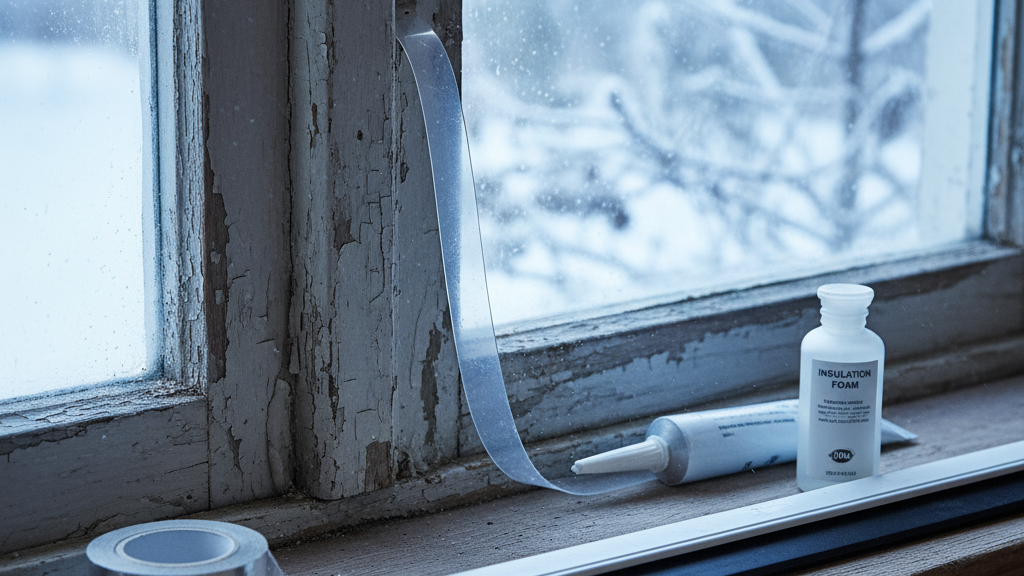
Identifying drafty windows is the first crucial step in sealing window drafts effectively. Begin by inspecting your window assembly for any visible gaps or openings that could allow air to seep through. A simple method to detect drafts involves using a lit candle or incense stick; the smoke will waver if there’s airflow. Once you’ve pinpointed the problem areas, you can apply various solutions such as weatherstripping or fabric draft stoppers to enhance the draft-blocking potential. For larger gaps, consider using plastic sheeting or sweeps to create an air-tight seal. By thoroughly addressing each opening with the appropriate materials and techniques, you can significantly improve your home’s energy efficiency and comfort.
Identifying Drafty Windows
Locating drafty windows involves a few simple observation techniques. A typical window assembly may exhibit gaps around the edges where the window meets the frame, often leading to air leaks. A draft cloth can help detect these drafts by creating a barrier against air movement or by feeling for airflow around locks or the edges of the glass pane. Being attentive to these areas can significantly aid in the sealing window drafts process.
Another effective method for identifying drafts includes visual inspection for any damaged or missing product seals. Pay close attention to the door frame and corners of the window, as these are common trouble spots. Applying plastic sheets or using shrink-wrap works well for temporary measures, while also highlighting areas that may require more permanent sealing solutions. Recognizing these signs can lead to more efficient sealing window drafts, ensuring a cozier living space.
Applying Weatherstripping
Weatherstripping is an effective method for sealing window drafts and minimizing leaks that allow cold air to infiltrate your home. This process involves applying a flexible material around the window frame, creating a tight seal that enhances energy efficiency. The installation is straightforward and can significantly contribute to reducing your heating costs. Using weatherstripping together with close-fitting drapes can further block any remaining drafts, ensuring that your living space remains warm and comfortable.
Various types of weatherstripping materials are available to suit different window styles and requirements. Options range from adhesive-backed foam to magnetic strips, each providing a waterproof barrier against the elements. Addressing any draft issue promptly helps maintain tight windows, ultimately improving your home’s thermal insulation. Using weatherstripping effectively not only prevents drafts but also enhances overall comfort in your living environment.
Advanced Techniques for Sealing
Advanced techniques for sealing window drafts can significantly improve energy efficiency and comfort in your home. One effective method is using window insulation kits that involve a single shrink-wrapping project, which helps cover the entire window area and creates a barrier against cold air. For areas that experience persistent drafts, applying adhesive-backed foam tape along the edges of the window frame can effectively minimize gaps. Alongside these techniques, utilizing draft guards at the base of the window adds another layer of protection. Builders often recommend these methods to address particularly drafty exits, ensuring that every potential source of heat loss is sealed effectively.
Using Window Insulation Kits
Window insulation kits offer an effective solution for sealing window drafts, helping homeowners maintain a comfortable indoor temperature. These kits typically include plastic film that can be easily applied to the interior of your windows. Once the film is positioned, it can be secured with tape to create an airtight seal. The finished work provides excellent insulation, preventing cold drafts from entering your home and reducing the need for constant heating.
Installing insulated drapes alongside window insulation kits enhances overall energy efficiency. This combination allows for better temperature regulation within your home, minimizing the impact of outdoor conditions on your indoor environment. In colder months, the insulated drapes add an extra layer of protection against exterior doors and windows, effectively creating a barrier that keeps warm air inside while blocking out the chill.
| Window Insulation Kit Type | Film Size | Application Method | Average Cost | Insulation R-Value |
|---|---|---|---|---|
| Standard Kit | 62″ x 84″ | Peel and Stick | $15 | R-2 to R-4 |
| Large Kit | 62″ x 210″ | Peel and Stick | $20 | R-3 to R-5 |
| Heavy-Duty Kit | 62″ x 84″ | Heat Shrink | $25 | R-4 to R-6 |
| DIY Insulation Kit | Custom Sizes | Custom Application | $10 | Varies |
Storm Windows and Their Benefits
Storm windows provide an effective solution for improving energy efficiency in homes, especially those with single-pane or old windows. By creating an extra layer of protection, these windows help in sealing window drafts, which significantly reduces air leakage. Homeowners can utilize weighted fabric draft seals or sheets that serve as barriers against cold air. This added insulation not only enhances comfort but also minimizes the workload on heating systems during colder months.
The installation of storm windows can be a straightforward project requiring minimal tools. Cleaning the existing window frames thoroughly allows for better adhesion of seals and weatherstripping materials. Regular maintenance, including wiping down the storm window surfaces and checking for any gaps or wear, ensures that the seals remain effective over time. This proactive approach will extend the life of the storm windows while continually preventing drafts from infiltrating the home.

Maintenance and Inspection
Regular inspection and maintenance are crucial for effectively sealing window drafts and ensuring your home remains energy efficient. Start by checking the cleanliness of the window casings and surrounding areas. Dirt and debris can hinder the effectiveness of weather stripping or foam tape used in the sealing process. Look for any gaps or cracks around the windows and doors where drafts might infiltrate. Pay special attention to areas near dryer vents and drapes that may cause obstructions or additional airflow. Replacing old or worn stripping can significantly improve insulation, while ensuring all materials are securely attached will provide the best defense against drafts.
Conclusion
Sealing window drafts is essential for enhancing energy efficiency and comfort in your home. By addressing window gaps with various window treatments, homeowners can create excellent seals that prevent heat loss. Options such as thermal-lined curtains and the use of inexpensive waterproof sealant can significantly improve insulation, particularly in wood-framed windows. Implementing multiple window treatments not only blocks drafts but also adds aesthetic appeal. Regular maintenance and inspection ensure that the effectiveness of sealing window drafts is maintained over time, leading to a more comfortable living environment.
FAQS
What are some effective window treatments to reduce drafts in single-pane windows?
To effectively reduce drafts in single-pane windows, consider using drapes, window insulation film, or hang sheer curtains. These window treatments—and others like v-strip/tension seal—can help seal gaps and improve energy efficiency. Installing insulation film offers protection against cold air, while ensuring you finish work properly by wiping down the area can enhance their effectiveness.
How can I use drapes and window insulation film to effectively seal window drafts from my exit window?
To seal window drafts from your exit window, consider using drapes for added insulation, as they can help trap air and reduce heat loss. Additionally, applying window insulation film provides a transparent barrier that minimizes air infiltration. Don’t forget to wipe the window frame clean before applying the film for better adhesion and effectiveness.
What are the benefits of using drapes and window insulation film for energy efficiency in sealing window drafts?
Using drapes and window insulation film can significantly enhance energy efficiency when sealing window drafts. Drapes provide an extra layer of protection against cold air infiltration, while window insulation film acts as a barrier, reducing heat loss. Together, they can improve comfort and lower heating costs.
What role do drapes and window insulation film play in creating a comfortable indoor environment while sealing window drafts?
Drapes and window insulation film are important tools that significantly enhance comfort by creating a barrier against cold air infiltrating from the outside, effectively sealing window drafts. By using these materials, homeowners can reduce heat loss and improve energy efficiency in their living spaces.
How can I enhance my home’s energy efficiency by combining drapes and window insulation film to effectively seal window drafts?
To enhance your home’s energy efficiency, you can combine drapes and window insulation film to effectively seal window drafts. The drapes provide an additional barrier against cold air intrusion, while the window insulation film acts as a protective layer over the glass, minimizing heat loss and maintaining a comfortable indoor environment. This complementary use of drapes and window insulation film can significantly improve insulation and reduce energy bills.
How can I utilize various techniques, including drapes and window insulation film, to effectively seal window drafts in my home?
To effectively seal window drafts in your home, you can utilize drapes and window insulation film. Drapes provide an added layer of protection against cold air infiltration, while window insulation film is designed to create a barrier that minimizes heat loss. Combining these two methods enhances your home’s energy efficiency by reducing drafts and maintaining a comfortable indoor temperature.
How can I best utilize drapes and window insulation film to maximize energy savings while sealing window drafts?
To maximize energy savings while sealing window drafts, you can utilize drapes and window insulation film together. Drapes help to block cold air from entering, while window insulation film adds an extra layer of protection against drafts. By combining these two methods, you create a more effective barrier that enhances your home’s insulation, resulting in improved energy efficiency and lower heating costs.
What innovative methods can I employ alongside drapes and window insulation film to completely seal window drafts in my house?
To completely seal window drafts in your house, consider employing innovative methods such as layering drapes with window insulation film for enhanced effectiveness. This combination not only helps in minimizing heat loss but also improves your home’s overall energy efficiency. Additionally, ensuring a proper fit of the drapes and applying the window insulation film correctly can create a more airtight seal, maximizing your energy savings and providing a cozier indoor environment.
What additional strategies can I implement along with drapes and window insulation film to further reduce window drafts in my home?
To enhance the effectiveness of drapes and window insulation film in sealing window drafts, consider adding weatherstripping around window frames, using thermal curtains, or employing draft stoppers at the base of windows. These strategies can work synergistically with drapes and window insulation film to significantly improve energy efficiency and comfort in your home.
What alternative solutions can be explored for sealing window drafts instead of using drapes or window insulation film?
If you’re looking for alternative solutions to seal window drafts without relying on drapes or window insulation film, consider using weatherstripping, caulking, or thermal curtains as effective options. These methods can help achieve the same goal of reducing energy loss and enhancing comfort indoors while ensuring that drafts are kept at bay.